Green tea: a health elixir?

Discover how green tea can support your health — and why small daily habits matter.

NUTRITION & HEALTH

1/27/20265 min read

Today, we’re turning our attention to a beverage that’s known not only for its calming effect, but also for its impressive range of health benefits: green tea.

Green tea has been cherished for thousands of years in many Asian cultures and has gained worldwide popularity in recent decades — and for good reason. From strengthening the immune system to potential cancer prevention, the benefits of green tea are supported by solid scientific evidence.

Let’s dive deeper into the fascinating world of green tea and discover how a simple cup of tea can improve our quality of life.


A Shield Against Flu Viruses

Studies have shown that regular green tea consumption can reduce the risk of catching the flu by up to eightfold.¹ ²
This impressive preventive effect makes green tea a powerful ally during flu season, helping strengthen our immune system and increasing resistance to viruses.

Youth in a Cup

Even more fascinating is the discovery that green tea may help lengthen telomeres.³
Telomeres — the protective caps at the ends of our chromosomes — are markers of cellular aging. Supporting telomere length through green tea consumption could therefore be one secret to a longer and healthier life.

Cancer Prevention and Support

The potential role of green tea in cancer prevention is an area of intensive research.
People who drink a lot of tea not only seem to live longer, but may also delay the onset of cancer.⁴ ⁵

Green tea may interfere with cancer development at every stage — from the formation of the first cancer cell, to tumor growth, and even metastasis.⁶
This is supported by green tea’s antioxidant effects, which can reduce oxidative DNA damage and thereby lower cancer risk.⁷

The Case of Prostate Cancer

In particular, studies suggest that green tea may play a protective role against prostate cancer.⁸ Research has found that green tea consumption is associated with a lower risk of developing prostate cancer.

One study involving men with precancerous prostate lesions showed that those taking green tea extracts had a significantly lower risk of developing cancer within one year compared to a placebo group.⁹

How big was the difference?

In the placebo group, 6 out of 30 participants developed cancer halfway through the year, and 3 more by the end of the year. That means 9 out of 30 — or 30% — developed cancer, which is roughly what normally happens when no intervention is taken.

In the green tea group, however, not a single participant developed cancer within the first six months — and by the end of the year, only one person had. So just 1 out of 30 — almost ten times fewer than in the placebo group.

Even a year later, after stopping green tea, nearly 90% of the original green tea group remained cancer-free, while more than half of the placebo group developed cancer. That’s pretty remarkable.

Green Tea: A Natural Boost for Heart Health and Longevity

Tea consumption improves arterial function — both green and black tea show this effect.¹⁰
Green tea’s antioxidant capacity can increase overall antioxidant activity in the bloodstream, helping protect the cardiovascular system.¹¹

According to a large study, increasing tea intake by three cups per day may reduce the risk of premature death from all causes by 24%.¹²

With a Splash of Milk?

Unfortunately, these benefits only apply if you skip the milk.
Adding milk completely cancels out tea’s positive effects on arterial function.¹³
Not only that — one study showed that participants who drank black tea for a month experienced the expected improvement in arterial function.

However, the group drinking tea with milk performed worse than the tea-only group — and even worse than those who drank only hot water. In other words, milk didn’t just neutralize the benefits; tea with milk was worse than drinking no tea at all.¹⁴

This does not apply to soy milk, which has no negative or neutralizing effect on tea’s benefits.¹⁵

Iron Absorption

Like coffee, tea contains compounds that can inhibit iron absorption from food by 26% to 99%, depending on brewing time, brand, and strength.¹⁶

If you tend toward low iron levels, it may be important to drink tea either one hour before meals or at least two hours afterward.

Which Tea Is Best?

Green tea is made from young, tender tea leaves, while black tea comes from more mature leaves and is fermented. Green tea is unfermented and therefore less processed — which makes it richer in antioxidants.
That’s why green tea is generally considered healthier.

White tea, which is less common in Western countries, is made from young leaves and unopened buds and is the least processed of all. White tea actually contains more phytonutrients than green tea — but these are only properly released when lemon juice is added, which changes the pH.¹⁷

So if you enjoy tea with lemon, white tea offers even more antioxidant power. If you prefer tea without lemon, green tea is the better choice.

Matcha: The Superhero of Green Teas

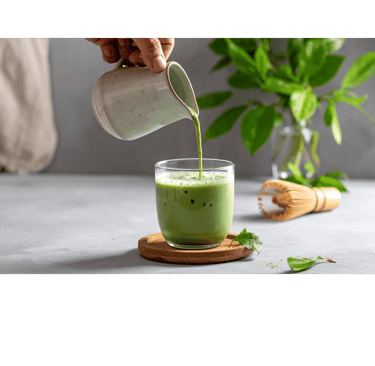
Matcha is powdered green tea that’s whisked into water or milk. Because you’re consuming the entire leaf, you maximize your intake of antioxidants and nutrients.¹⁸
Think of it this way: would you boil spinach, throw away the leaves, and only drink the water?

That’s essentially what happens with regular tea. With matcha — or by adding green tea leaves to smoothies — you consume the whole plant.

Be Careful About Origin

While tea offers many health benefits, its origin matters.
China is one of the world’s largest tea exporters, but rapid industrialization has raised concerns about lead contamination.¹⁹ Lead is a toxin that can affect nearly every organ in the body.
Older tea leaves accumulate more lead than younger ones — young leaves contain two to six times less lead.²⁰

Because green and white teas are made from young leaves, they contain significantly less lead than black and oolong teas. Moreover, lead from black and oolong tea appears to leach more easily into brewed tea.
As a result, lead-related health risks are much lower with green tea.²¹ ²² ²²a

Especially for black tea, it’s advisable to choose products not sourced from China. While green tea from China is also more contaminated than Japanese green tea, the difference is far less dramatic.

If you consume matcha (whole tea leaves), I would strongly recommend choosing Japanese varieties.

Proper Preparation

To preserve tea’s antioxidant activity, avoid brewing it too hot:

  • Green tea: 3 minutes at 85°C

  • White tea: 7 minutes at 98°C

  • Black tea: 4 minutes at 85°C

²³ ²⁴ ²⁵

Surprisingly, tea bags may be better than loose-leaf tea, because the finely ground leaves allow better extraction.²⁶


Green Tea Supplements?

If green tea is so healthy, why not just take capsules?
Because dozens of documented cases of liver toxicity have been linked to green tea extracts.²⁷
Once again, this shows that it’s better to consume whole, natural foods rather than relying on concentrated supplements of isolated “active ingredients.”

Final Thoughts

Green tea is much more than just a refreshing drink.
The list of its potential health benefits is impressive.

Adding a cup of green tea to your daily routine can be a simple and effective way to support your health in many different ways.

References for further reading:

1 Green tea and influenza
2 Gargling with tea
3 Aerobic training and green tea

4 Green tea and cancer
5 Green tea cancer prevention

6 Preventing cancer
7 Antioxidant power
8 Prostate cancer
9 Chemoprevention
10 Endothelial vasodilation
10a Black tea endothelial function
11 Tea and milk
12 Tea consumption health outcomes
13 Milk in tea
14 Milk, tea and vascular function
15 Coffee and soymilk
16 Iron and tea
17 Digestive recovery green tea
18 Ground green tea
19 Lead contamination
20 Bioavailability
21 Element composition of tea leaves
22 Benefits and risks
22a Lead contamination chinese tea
23 Brewing conditions
24 Brewing time and temperature
25 Tea and flavonoids
26 Brewing times
27 Green tea extract

Want to go deeper?
If you’d like to learn how to integrate these principles step by step into your everyday life — without diets or complicated plans — you’ll find more resources here on the blog and in my free ebook and online course.