
Protein on a Plant-Based Diet: Beyond the Numbers
Protein is often seen as the most important nutrient — but do we really need that much? A calm, science-based look at protein needs and plant-based diets.
NUTRITION & HEALTH
3/10/20263 min read
Protein is often seen as the most important nutrient in our diet.
“Am I getting enough?” – “Do I need more?” – “Is plant-based protein even sufficient?”
Few nutrition topics are surrounded by as much confusion, fear, and contradictory advice as protein. So let’s take a step back and look at what science actually tells us — and, more importantly, what this means for everyday life.
What is protein and why do we need it?
Proteins are made up of amino acids and play many essential roles in the body, including:
building and maintaining muscle tissue
forming enzymes and hormones
supporting immune function
repairing and renewing cells
Protein is clearly important — but it is not an isolated nutrient. It always works in the context of the overall diet.
How much protein do we actually need?
The commonly cited recommendation for adults is about
0.8 grams of protein per kilogram of body weight per day.
This value is not a minimum for survival, but a level that already safely covers the needs of most healthy adults.
What’s interesting is that early metabolic studies already showed that the true minimum protein requirement can be considerably lower, without negative effects on health or physical performance. The human body is remarkably efficient at adapting its protein metabolism.
👉 More protein does not automatically mean:
more muscle
better health
higher energy

Why do so many people worry about protein deficiency?
Several factors contribute to this widespread concern:
strong marketing of protein products
focus on single nutrients instead of whole foods
confusion between health needs and athletic optimization
fear around plant-based diets
In reality, true protein deficiency is extremely rare in Western countries — including among people following vegetarian or vegan diets.
Is plant-based protein “inferior”?
This is one of the most persistent myths.
Yes, plant proteins differ in their amino acid composition compared to animal proteins.
No, this is not a problem when the diet is varied.
The human body:
maintains an amino acid pool
combines amino acids across meals
does not require “perfect” protein at every meal
Major nutrition organizations, including the Academy of Nutrition and Dietetics and the American Heart Association, agree that well-planned plant-based diets easily meet protein requirements.
Protein quantity is not the same as protein impact
A crucial but often overlooked point:
Protein does not come alone.
Animal-based protein sources typically also provide:
saturated fat
cholesterol
pro-inflammatory compounds
Plant-based protein sources, on the other hand, come packaged with:
fiber
antioxidants
phytochemicals
essential micronutrients
This helps explain why populations eating predominantly plant-based diets often show equal or better health outcomes, despite lower total protein intake.
What about muscle building, aging, and physical activity?
There are situations with moderately increased protein needs, such as:
intensive strength training
older age
certain medical conditions
However, even in these cases:
the increase is modest, not extreme
overall calorie intake, resistance exercise, sleep, and diet quality matter far more
Protein alone cannot replace training, recovery, or a balanced lifestyle.
What does this look like in real life?
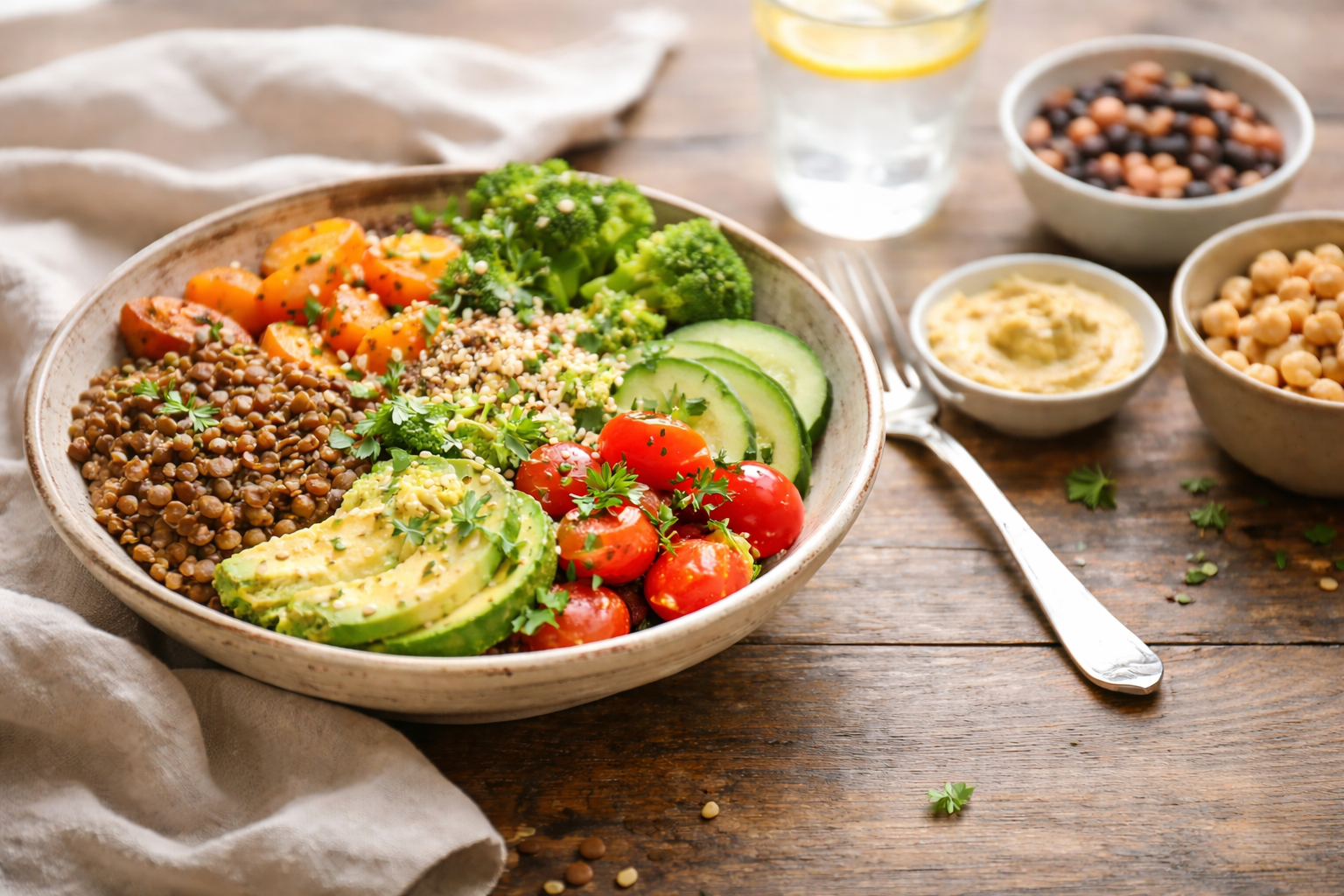
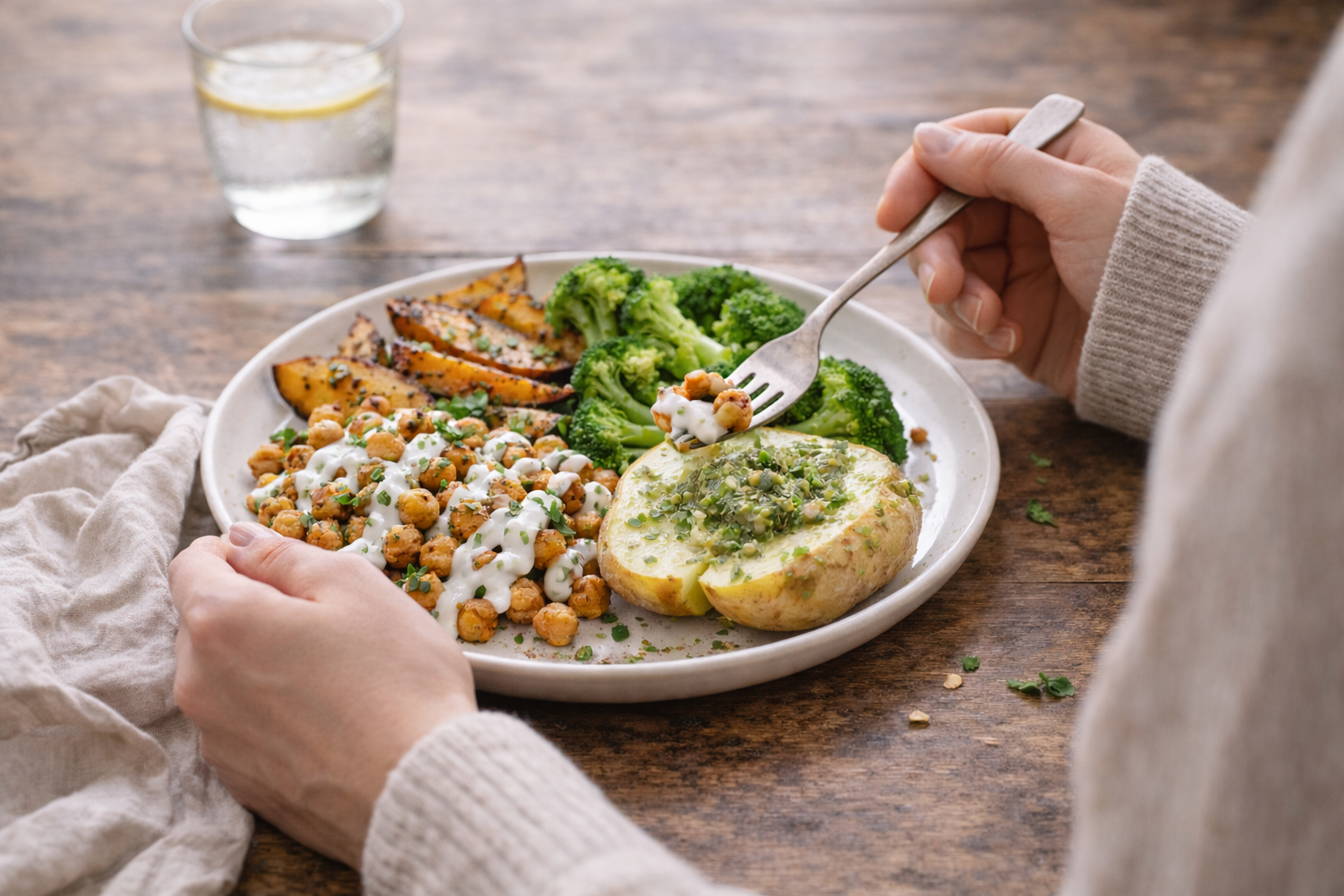
A whole-food, plant-based diet provides protein naturally — without counting or tracking.
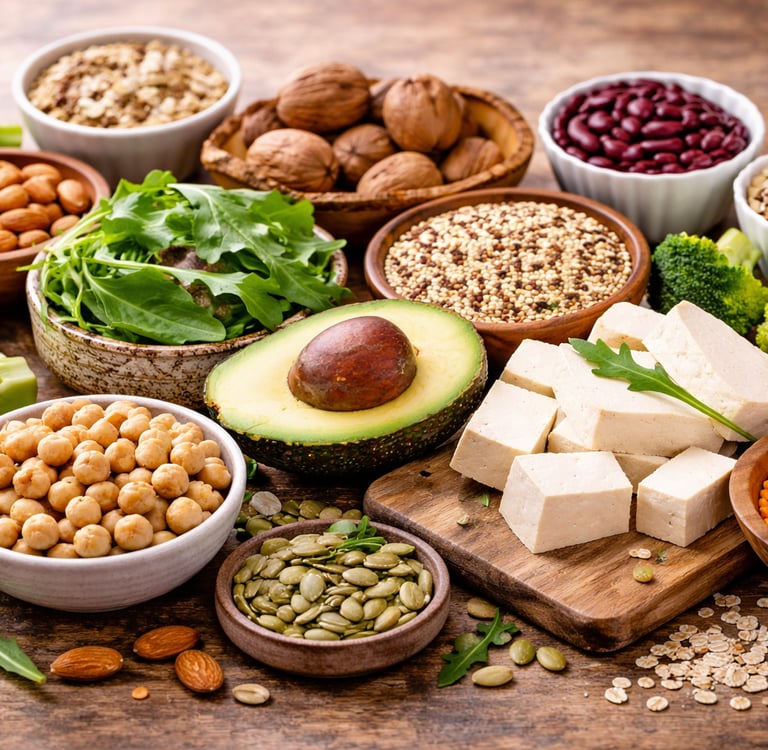
Common plant-based protein sources include:
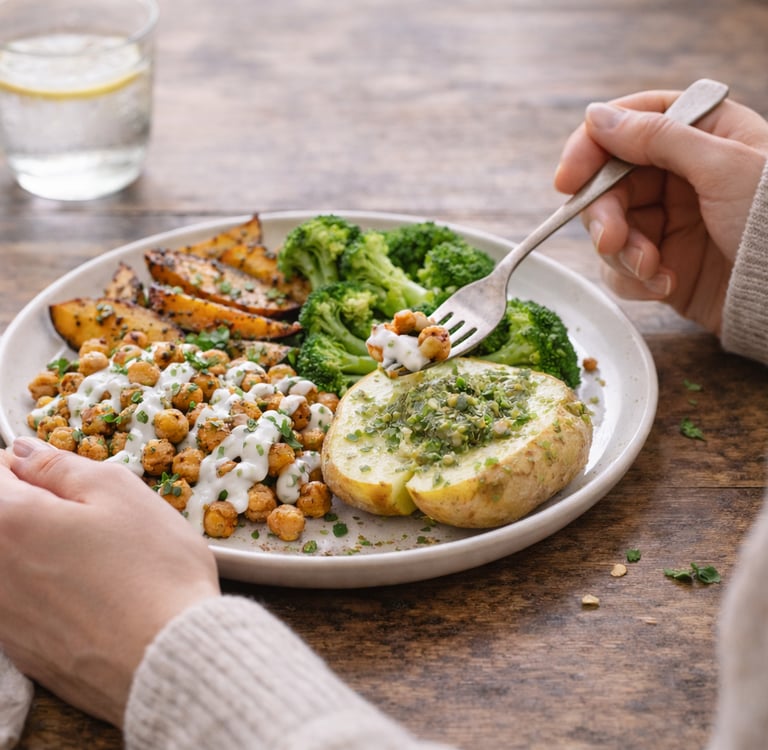
legumes (lentils, beans, chickpeas)
whole grains
nuts and seeds
vegetables (more than most people expect)
👉 If you eat enough food, eat a variety of whole foods, and feel satisfied, you are very likely meeting your protein needs.
The bottom line: less fear, more trust
Protein matters — but it is not a nutrient most people need to obsess over.
The more important question is not:
“How much protein am I eating?”
but rather:
“Is my diet built around real, whole foods?”
When that foundation is in place, protein usually takes care of itself.
A note on this article
This post provides a general overview.
In the Healthy Eating Master Class, I go much deeper into:
protein needs in different life stages
protein and long-term health
common misconceptions
practical everyday implementation
References for further reading:
1 Institute of Medicine. Dietary Reference Intakes
2 Minimal Protein Requirement of the Healthy Man
3 Minimum protein requirements of adults
4 Dietary treatment of hypertension
5 Nutritional value of plant-based diets
6 Academy of Nutrition and Dietics
7 American Heart Association
Want to go deeper?
If you’d like to learn how to integrate these principles step by step into your everyday life — without diets or complicated plans — you’ll find more resources here on the blog and in my free ebook and online course.
Stay in touch
Questions or thoughts?
I'd love to hear from you.
© 2026 Eat Healthy with Johanna
info@eatwellwithjohanna.com