
Raising a Picky Eater
I always thought my child would eat the same healthy food I do. But reality turned out differently. Here I share our experience with picky eating and a few simple recipes that work in our home.
NUTRITION & HEALTH
3/9/20264 min read
When I became a mother, I was absolutely sure about one thing:
My child would eat just like I do.
I care deeply about nutrition. I cook from scratch. I love healthy food. I believed that if I set a good example, cooked delicious meals, and created the right environment, my child would naturally grow up eating the same way.
But reality turned out to be different.
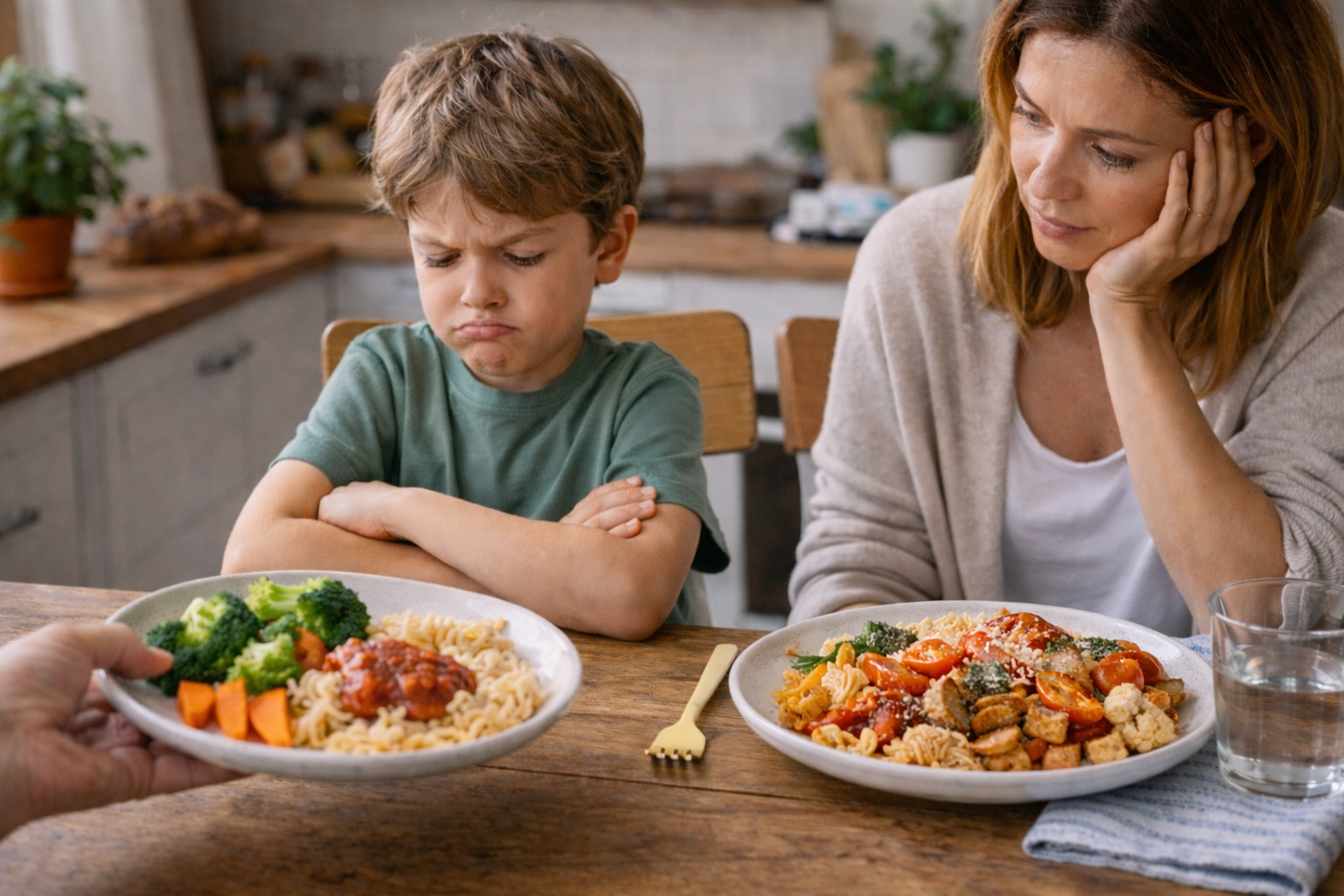
My son is a picky eater.
And even at 8 years old, it can still be challenging.
For years I kept waiting for the moment when it would simply grow out. When suddenly he would start enjoying all the foods I cook. When dinner would just be easy.
But that moment hasn’t fully arrived yet.
And sometimes, honestly, it’s frustrating.
The daily reality of cooking for a picky eater
Many meals involve some kind of adaptation.
Often I cook the meal I originally planned, and then I make a small variation so that my son will at least eat something. Sometimes that variation is simple — maybe just frying some pasta in a pan with soy sauce and garlic. But even small adjustments can feel tiring when you do them day after day.
I used to hate these "special requests".
I wanted to cook one meal for everyone.
I didn’t want to prepare separate food.
But in reality, these small adjustments sometimes make the difference between a stressful dinner and a peaceful one.
When picky eating feels like a parenting failure
For a long time I asked myself why this situation frustrated me so much.
Part of it was simple:
I want to make sure my child gets all the nutrients he needs.
But another part was something deeper.
There is this quiet feeling many parents carry:
Did I do something wrong?
You might hear comments like:
"That wouldn't have happened in the past."
"You just have to be stricter."
“If a child was hungry, they would eat.”
"That's your own fault."
And suddenly you feel like you failed at something as basic as feeding your own child.
But the truth is that picky eating usually has far less to do with parenting than people assume.
Many factors influence how children eat:
temperament
sensory sensitivity
personality
developmental phases
Some children are simply more selective with food than others.
And yes, maybe picky eating seemed less common in the past — but that might also be because children simply had less say in general. Parenting styles have changed, and today we try to respect children's needs and signals more.
One thing I have learned for sure:
Pressure has never helped a child learn to like a food.
What actually helped us
At some point I realized that the constant pressure — on my child and on myself — wasn’t helping anyone.
Things became easier when I started to let go of the expectation that every meal had to be perfect.
Instead, I focused on a few simple things:
having a handful of meals that my son reliably eats
finding small ways to adapt family meals
keeping the atmosphere at the table relaxed
Sometimes dinner is exactly what I planned.
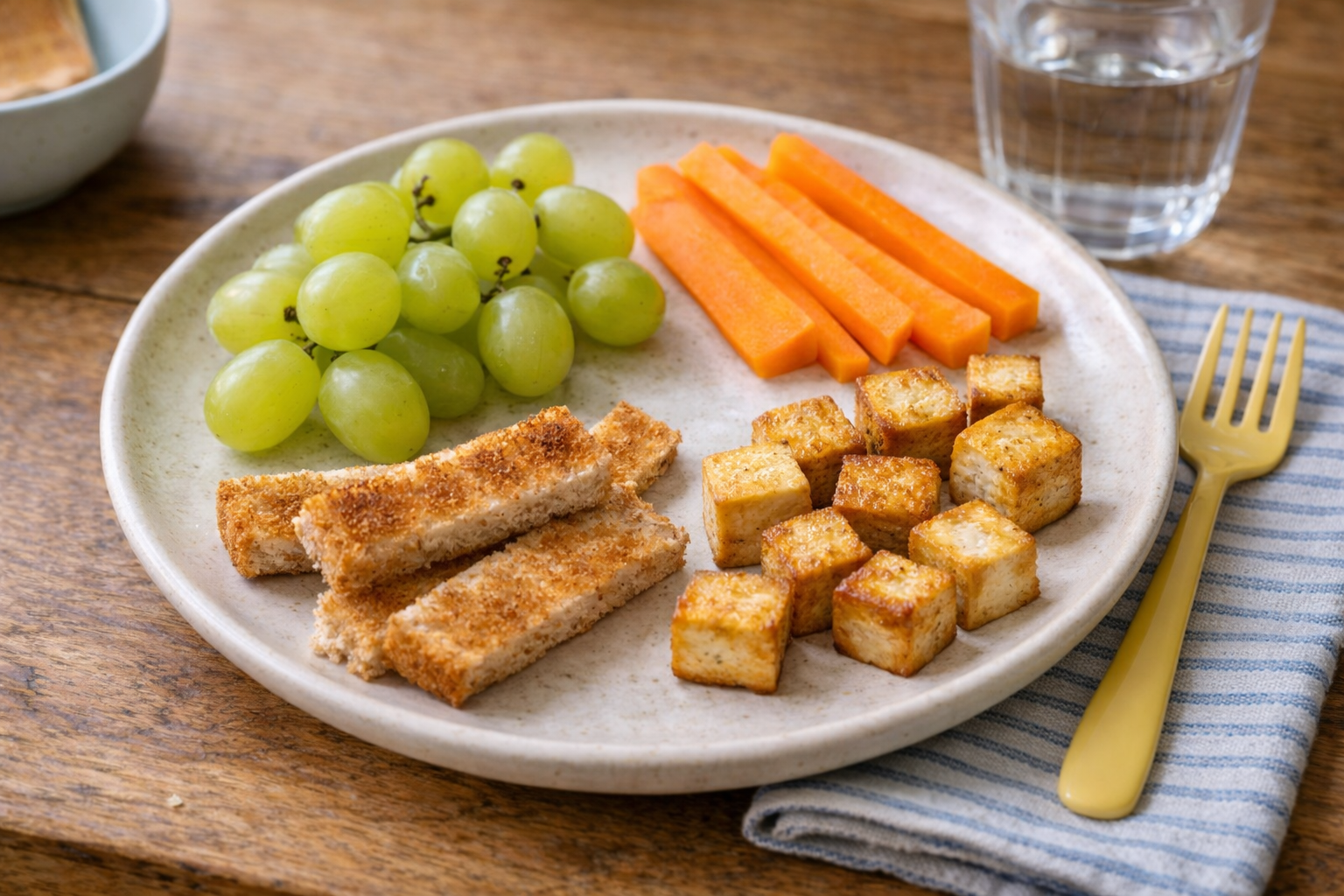
Sometimes it ends up being bread with avocado, vegetable sticks, or even a bowl of cornflakes.
And that is okay.
When the pressure disappears, the entire atmosphere at the table changes. Meals become calmer. Conversations happen again. And children are often more willing to try something new when they feel safe rather than pressured.
Making the table a safe place
For me, one important realization was this:
The dinner table should feel like a safe place for a child.
A place where they know:
they are welcome
they are not judged
and there will always be something available that they can eat
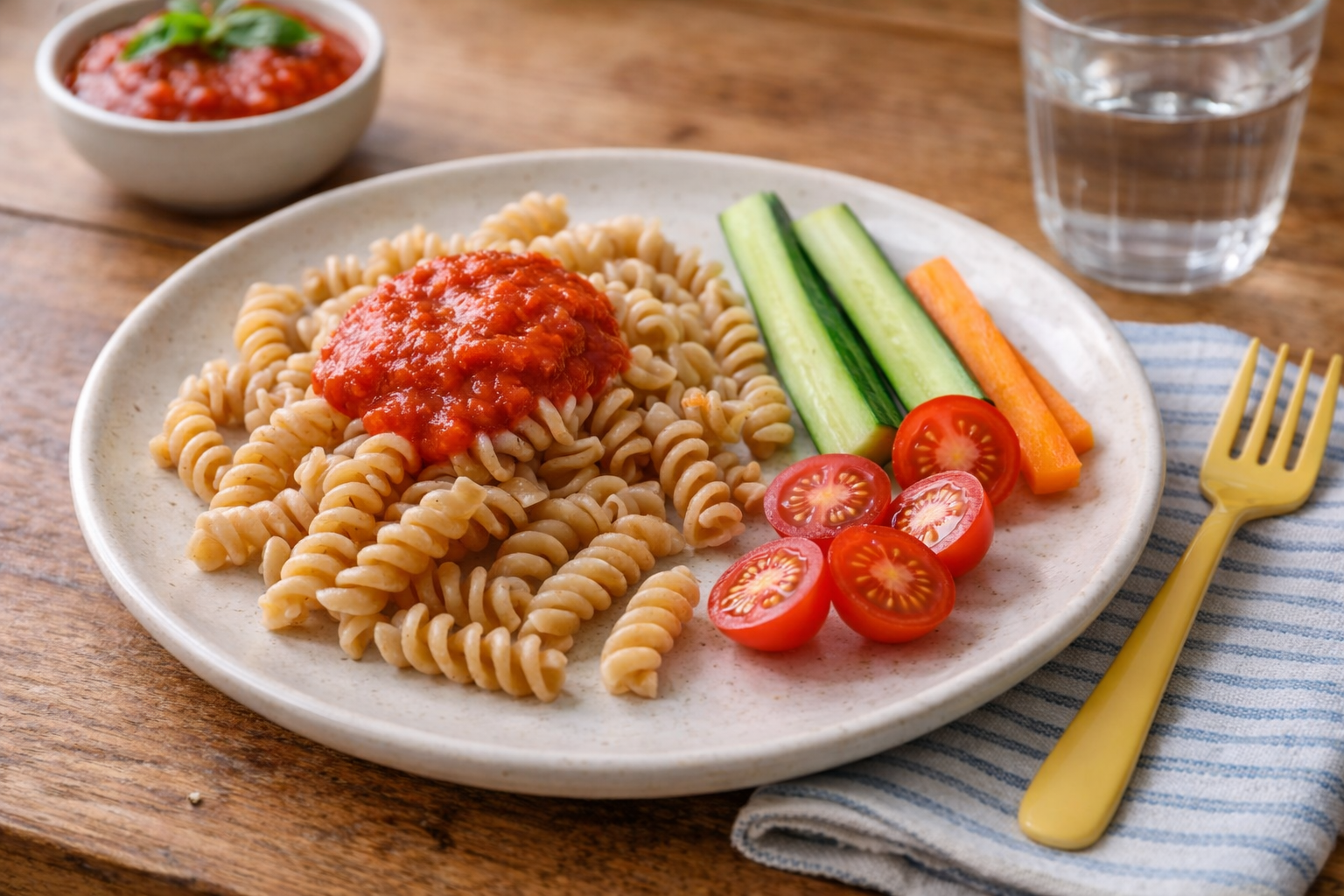
Sometimes that "safe food" is simply plain pasta.
And that is okay.
When children feel secure at the table, things like "trying one bite" suddenly become much easier.
Progress often happens slowly. Sometimes a food that was rejected for years suddenly becomes acceptable.
But the pace belongs to the child, not to us.

A few simple rules that help us
Even though I try to keep things relaxed, we still have a few consistent routines at the table:
If you don’t want to eat, you still sit with us for a few minutes.
Everyone tries at least one bite before deciding they don’t like something.
Every meal includes some form of fruit or vegetables.
Sometimes that simply means serving vegetable sticks like carrots or bell peppers alongside the meal.
Nothing complicated — just small, consistent habits.
Quietly supporting nutrition
Of course, nutrition still matters to me.
That’s why I sometimes look for small ways to add nutrients to foods my son already likes.
For example:
blending beans into desserts
adding lentils to sauces
including nut butters in sweet snacks
Not as a trick or deception — but simply as a practical way to support nutrition while respecting his preferences.
Some of the recipes on this blog were created exactly with that idea in mind.
Kid-friendly recipes from our kitchen
Below you will find a collection of recipes that my son actually eats (at least most of the time).
They are not magical recipes that every picky eater will love — because those don’t really exist.
But they might be a good starting point if you are looking for ideas that are:
simple
nourishing
and realistic for families.
You will find them in the Kid-Friendly recipe category below.
Maybe one of them will work for your child too.
If you are currently navigating picky eating in your family, I hope this article reassures you of one thing:
You are not failing.
Feeding children is rarely as simple as we imagine before we become parents. But with patience, flexibility, and a little creativity, things often become easier over time.
And sometimes the biggest step forward is simply letting go of the pressure.
Want to go deeper?
If you’d like to learn how to integrate these principles step by step into your everyday life — without diets or complicated plans — you’ll find more resources here on the blog and in my free ebook and online course.
Stay in touch
Questions or thoughts?
I'd love to hear from you.
© 2026 Eat Healthy with Johanna
info@eatwellwithjohanna.com