
The Truth About Blood Sugar: Why Carbs Aren’t the Enemy
Is sugar really the problem? This article breaks down one of the biggest nutrition myths — and explains why carbs, fruit, and blood sugar are often misunderstood.
NUTRITION & HEALTH
3/22/20264 min read
You’ve probably heard this advice:
Avoid sugar.
Don’t eat too many carbs.
Choose savory over sweet — especially for breakfast.
Keep your blood sugar stable at all times.
And suddenly…
Eating feels complicated.
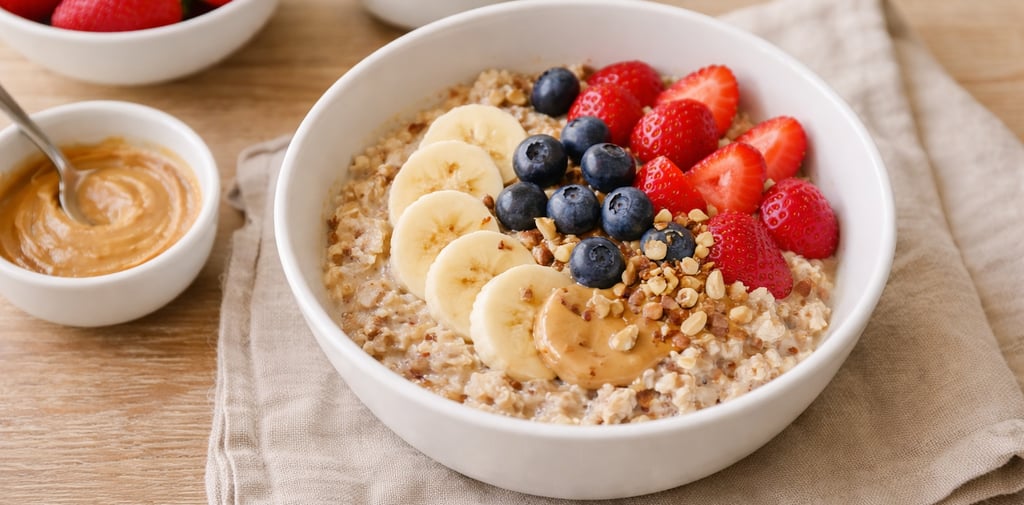
Even simple choices — like having a bowl of oatmeal or fruit in the morning — start to feel like something you need to question.
But here’s the thing:
Most of this advice is based on a misunderstanding of how your body actually works.


The biggest myth: “Sugar causes diabetes”
One of the most common beliefs is this:
“If you eat too much sugar, you’ll get diabetes.”
It sounds logical.
But it’s not how the body works.
Type 2 diabetes is not caused by sugar itself.
It’s caused by how your body handles sugar.
Your body runs on glucose — a form of sugar.
Every time you eat carbohydrates, they are broken down into glucose and used as fuel.
That’s not the problem.
That’s exactly what your body is designed to do.
The real issue begins when your cells stop responding properly to insulin — the hormone that helps move glucose from your blood into your cells.
This is called insulin resistance.
And what causes that?
Research shows that insulin resistance is strongly linked to fat accumulation inside muscle and liver cells, which interferes with insulin signaling — not simply sugar intake.
So the idea that sugar alone “causes” diabetes is an oversimplification — and a misleading one.

Not all sugar is the same
Another big problem is that we tend to lump all carbohydrates together.
But there’s a huge difference between:
refined carbohydrates (like white flour, added sugar, processed foods)
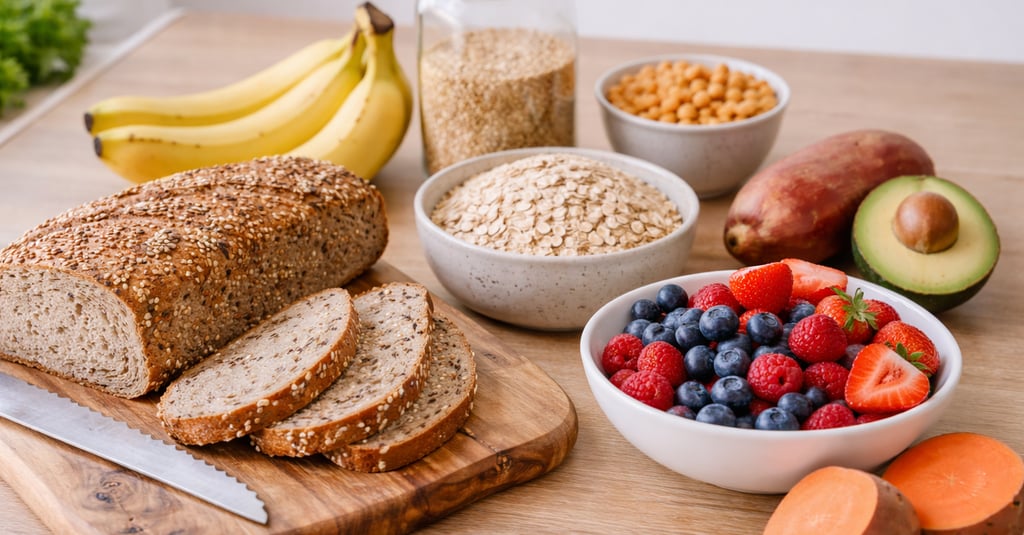
andwhole-food carbohydrates (like fruit, whole grains, legumes)
These are not the same.
Refined carbs are:
stripped of fiber
quickly absorbed
easy to overeat
Whole-food carbs, on the other hand, come packaged with:
fiber
water
vitamins and minerals
natural structure that slows digestion
Your body doesn’t react to a cookie the same way it reacts to an apple.
Yet most “blood sugar advice” treats them as if they were identical.
What about fruit?
Fruit has become one of the most misunderstood foods when it comes to blood sugar.
People worry that it’s “too high in sugar” or that it causes spikes that should be avoided.
But this ignores how fruit actually works in the body.
Whole fruit contains:
fiber, which slows sugar absorption
water, which adds volume and satiety
a complex mix of nutrients and plant compounds
Because of this, fruit doesn’t behave like refined sugar in the body.
There is no good evidence that whole fruit is a cause of type 2 diabetes.
In fact, populations that consume more whole plant foods — including fruit — tend to have lower rates of chronic disease.
So instead of asking:
“Is fruit too high in sugar?”
A better question would be:
“What happens in the body when we eat whole, unprocessed foods?”
The “blood sugar control” trend
In recent years, there’s been a huge focus on “controlling blood sugar”.
You’ll hear things like:
avoid spikes
eat protein and fat first
don’t eat carbs alone
keep blood sugar as stable as possible
Again — it sounds logical.
But it often misses the bigger picture.
Your body is not designed to keep blood sugar perfectly flat at all times.
It’s designed to handle fluctuations.
Every time you eat carbohydrates, your blood sugar rises.
That’s normal.
Your body releases insulin.
Glucose is transported into your cells.
Levels come back down.
That’s not a problem.
That’s healthy physiology.
Trying to eliminate every rise in blood sugar is like trying to stop your heart rate from increasing during exercise.
It’s not necessary — and it distracts from what actually matters
Your body runs on glucose
There’s something important that often gets lost in the conversation:
Glucose is your body’s primary fuel source.
Your brain depends on it.
Your muscles use it.
Your entire system is built to run on it.
Your body isn’t afraid of sugar.
It depends on it.
The goal isn’t to avoid glucose.
The goal is to create a metabolic environment where your body can use it efficiently.
What actually causes problems
So if sugar itself isn’t the main issue — what is?
The problem isn’t blood sugar.
It’s how your body handles it.
When insulin resistance develops, glucose can’t properly enter the cells.
It stays in the bloodstream longer.
Blood sugar levels remain elevated.
Over time, this leads to the problems we associate with diabetes.
A diet high in fat — especially from processed and animal-based sources — can interfere with insulin function and contribute to this process.
This shifts the perspective completely.
Instead of fearing carbs,
we should be looking at the overall dietary pattern.
The bigger picture: clarity over rules
This is where things often go wrong.
People try to manage their health through:
rules
restrictions
avoiding certain foods
But without understanding the underlying principles, it quickly becomes overwhelming.
You don’t need to:
fear fruit
avoid carbohydrates
micromanage every blood sugar response
What you need is clarity.
Clarity about:
how your body works
what different foods actually do
what truly matters long term
Because when you understand that, everything becomes simpler.
Final thoughts
Healthy eating isn’t complicated because food is complicated.
It feels complicated because the information around it is.
The focus on blood sugar — while not entirely wrong — has become too narrow and often misleading.
Your body is not broken.
It doesn’t need constant control.
It needs the right environment to function the way it was designed to.
Ready to take it a step further?
My Plant-Based Starter System walks you through everything you need to eat more plants — simply, without overthinking it.
Stay in touch
Questions or thoughts?
I'd love to hear from you.
© 2026 Eat Healthy with Johanna
info@eatwellwithjohanna.com