
Do We Really Need to Eat Perfectly Healthy?
Healthy eating doesn’t require perfection. What matters most is the overall pattern of our food choices over time.
NUTRITION & HEALTH
3/29/20263 min read
When people start thinking about improving their diet, they often imagine that healthy eating requires doing everything perfectly.
No sugar.
No processed foods.
No exceptions.
If a meal isn’t completely healthy, it can feel like the effort doesn’t count.
This way of thinking is surprisingly common. But it can also make healthy eating feel far more difficult than it actually needs to be.
The reality is that nutrition and health rarely depend on perfection.
What matters much more is the overall pattern of eating over time.
Health is shaped by patterns, not individual meals
One single meal has very little influence on long-term health.
What matters far more is the overall pattern of food choices across weeks, months, and years.
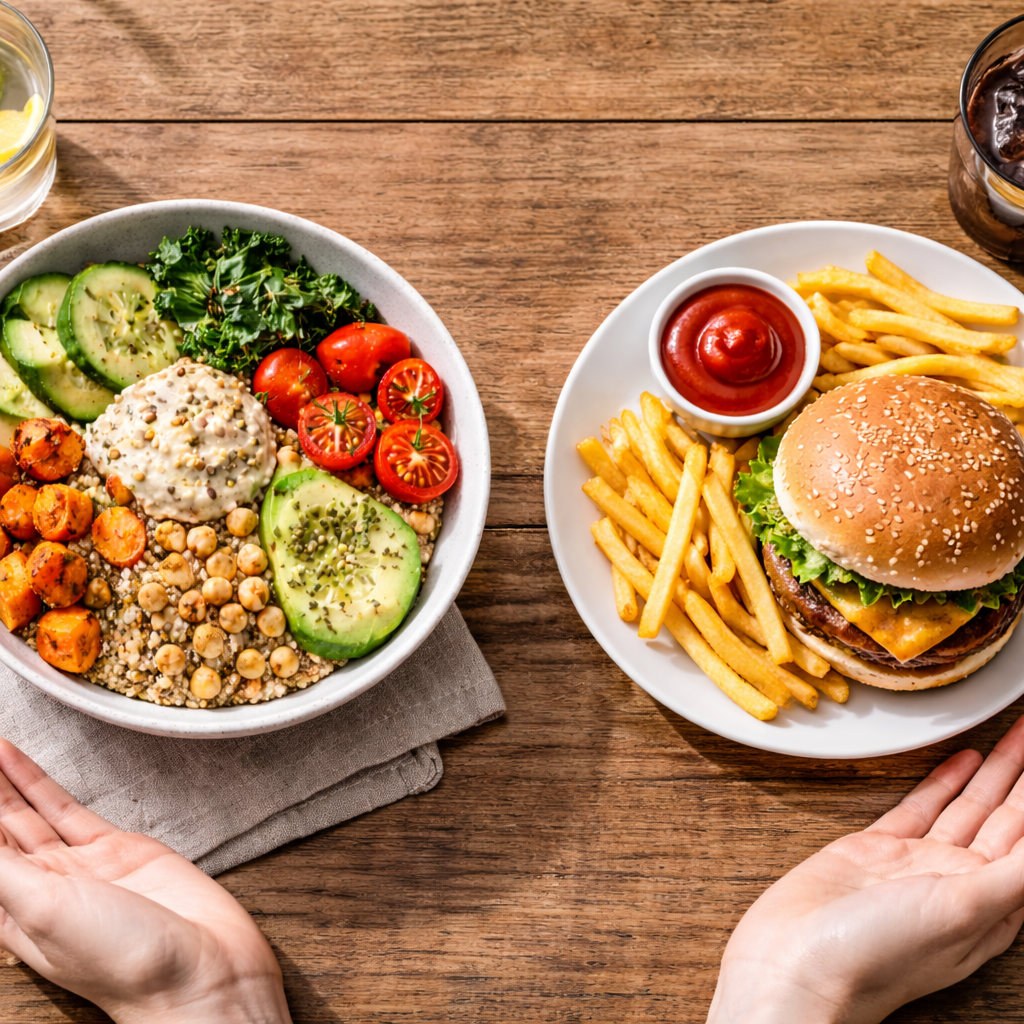
A person who eats mostly whole, balanced meals but occasionally enjoys dessert or convenience foods will likely have a very different health profile than someone whose diet consists mostly of ultra-processed foods.
Nutrition research consistently shows that long-term dietary patterns are what shape health outcomes.
This means that small everyday habits often matter more than occasional indulgences.
The “all-or-nothing” trap
One of the biggest barriers to healthy eating is what psychologists sometimes call all-or-nothing thinking.
It can sound like this:
“If I can’t eat perfectly healthy, I might as well not try.”
“I already had something unhealthy today, so the day is ruined.”
“I’ll start eating healthy again next week.”
This mindset often turns eating into a cycle of restriction followed by frustration.
But health doesn’t work like a test where one mistake leads to failure.
In reality, every balanced meal still contributes something positive, even if the rest of the day wasn’t ideal.
Small improvements can make a big difference
Another interesting finding in nutrition research is that even moderate improvements in diet quality can have meaningful health effects.
For example:
• adding more vegetables and fruits to meals
• replacing refined grains with whole grains
• eating legumes more often (like beans, lentils, chickpeas)
• building meals around whole, minimally processed foods
• reducing ultra-processed foods
None of these changes require perfection, yet they can gradually improve the overall nutritional quality of a diet.
Healthy eating is often less about dramatic changes and more about consistent small shifts.
Sustainability matters more than strict rules
One reason extremely strict diets often fail is that they are difficult to maintain in real life.
Food is part of social life, family life, and cultural traditions.
A sustainable way of eating allows flexibility while still prioritizing nutritious foods most of the time.
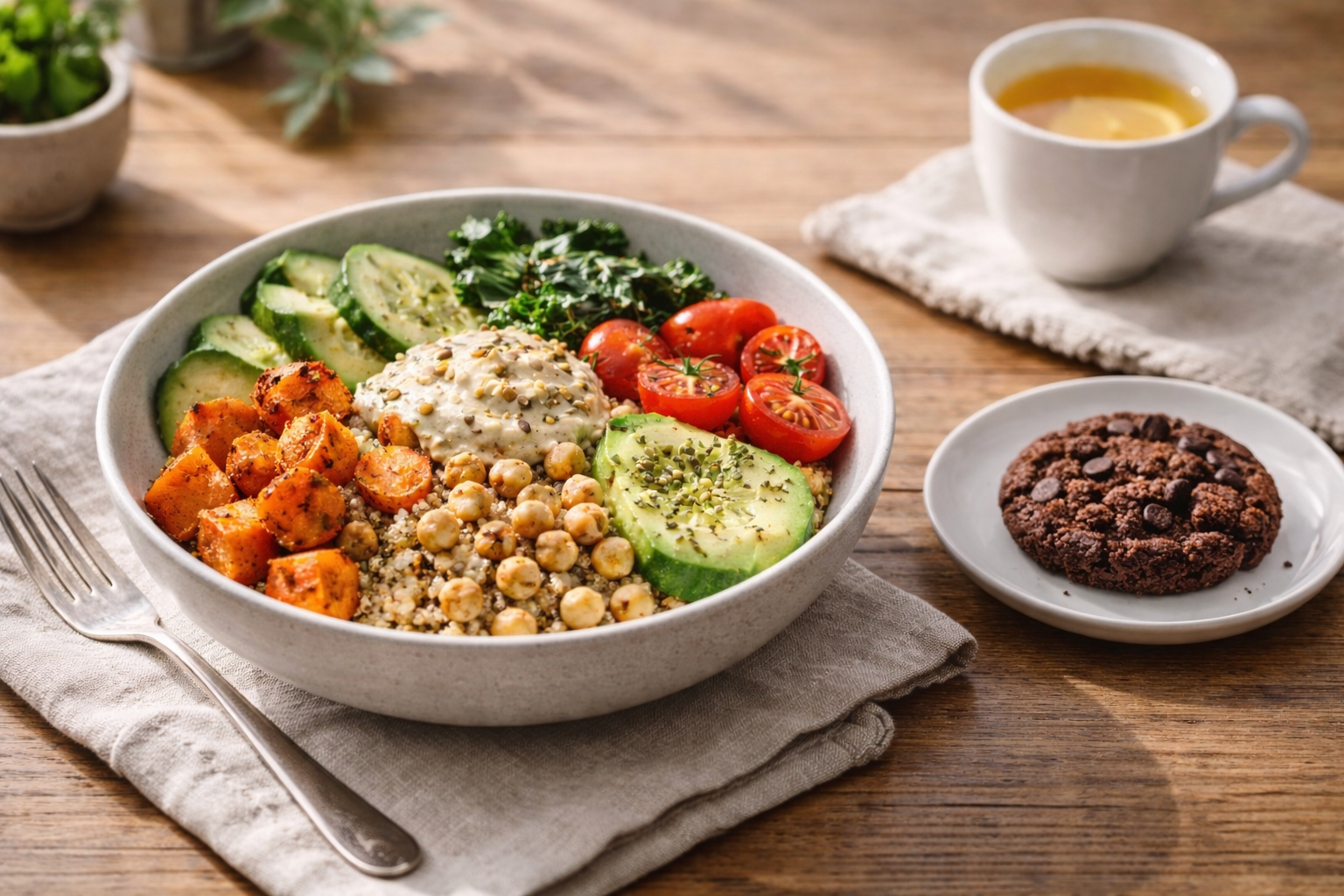
For many people, this naturally means building meals mostly around whole plant foods like vegetables, grains, legumes, fruits, nuts, and seeds.
Many people find that healthy eating becomes much easier when they focus on simple habits such as:
cooking simple meals at home
including plant foods in most meals
keeping healthy ingredients available
building routines around food
Over time, these habits often become almost automatic.
A simple example: an easy breakfast habit
One small habit that can make healthy eating easier is preparing simple meals ahead of time.
Breakfast is a good place to start. Many people feel rushed in the morning, which can make it harder to choose nourishing foods.
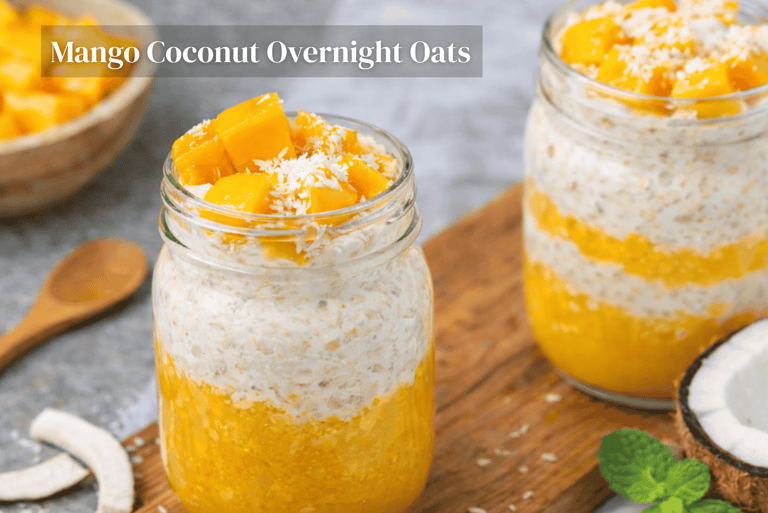
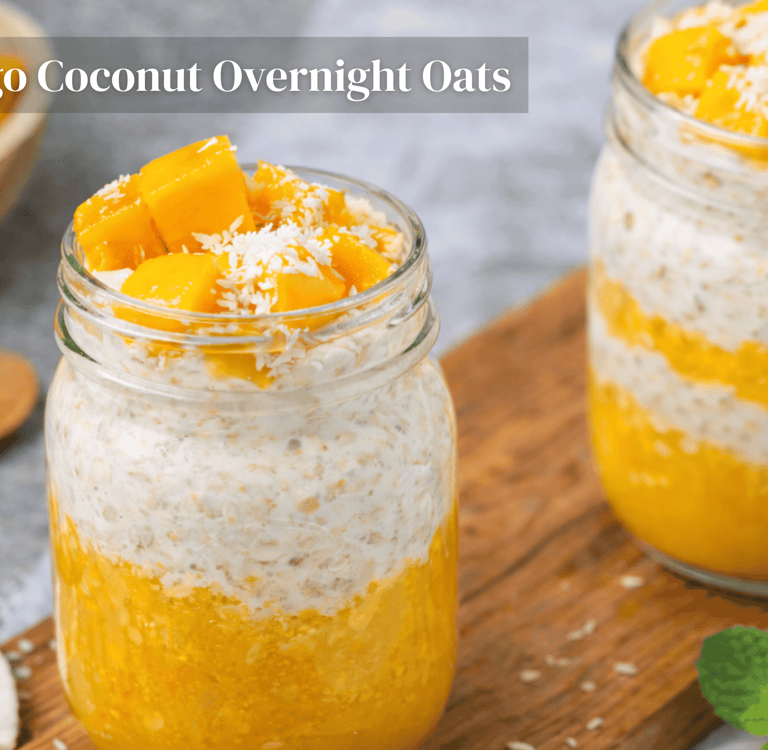
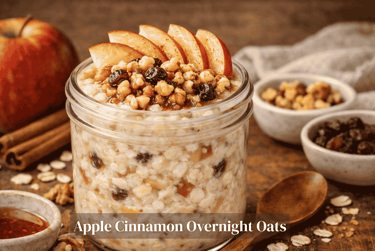
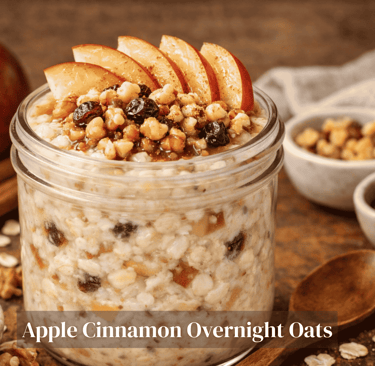
Overnight oats are a great example of a simple, practical option based on whole plant foods.
They take only a few minutes to prepare in the evening and can easily be adapted with different fruits, nuts, or spices.
Small habits like this may seem minor, but over time they can make healthy eating feel much more natural and sustainable.
You can find two simple overnight oat variations below — both easy to prepare and perfect for busy mornings.
A more realistic way to think about healthy eating
Instead of asking:
“Is my diet perfectly healthy?”
It can be more helpful to ask:
“What direction is my overall diet moving in?”
If most meals are built around nourishing foods, occasional less-balanced meals rarely matter much in the bigger picture.
Healthy eating is not about achieving perfection.
It’s about creating a pattern of eating centered mostly around whole, plant-based foods that supports health while still fitting into everyday life.
Stay in touch
Questions or thoughts?
I'd love to hear from you.
© 2026 Eat Healthy with Johanna
info@eatwellwithjohanna.com